Thursday, January 11, 2024

January 2024, Shipping supply chain problems and Family Medical preparedness


Emergency Preparedness and Provident Living Newsletter

January 2024


Current Events that affect our food supply and the cost of living

Over the last two months millions of chickens in farms that supply eggs have been culled because of avian influenza again. So far there have been no reports of chickens on meat poultry farms have been culled. No matter if this is a legitimate reason to cull them, this will affect the supply of eggs and will increase the cost of egg products. Please find ways to store extra eggs in various ways. And if you are able to care for a small flock of chickens, consider adding chickens to your property.

There have been many reported cases of shortages of frozen and dehydrated potato products. There have been problems with the potato crops over the last two years and as we have used up the supply of products in storage, we now have fewer of those products on hand. Also, over the last 20 years or more, we have had the supply of foods and other products converted over to a “Just in time” delivery system. That system works well when everything is running smoothly. But if there is a prolonged power outage, truckers strike or a large natural disaster it affects that delivery system and suddenly there are big shortages. Most stores only have about 3 day's worth of products, especially foods, on their shelves. If you add-in a rush to purchase such as right before a hurricane, you can see how quickly the store shelves are stripped bare.

Worldwide Shipping problems are not getting better! There has been a prolonged drought in Panama. This drought is causing a lot of problems with the Panama Canal. Right now only a fraction of normal ships are getting through the canal each day. The number of ships waiting to get through is only getting longer.

New and expanding conflicts in the Middle East are affecting the shipping traffic in the Gulf of Aden and in the Red Sea that leads to the Suez Canal. Ships are being attacked by Somali pirates and Houthi thugs in Yemen.

When these ships cannot get through, they have to find a new route often taking them several thousand miles out of their normal way. These issues make for longer shipping times and large increases in shipping costs that WILL be put onto the consumer. You can do a search of this topic on the following websites; www.maritime-executive.com,, www.fortune.com, www.reuters.com, www.bloomberg.com,

www.marinelink.com,and www.freightwaves.com.

Try to find ways to buy products made closer to home and take care of what you have. And remember to make it do or do without.


The infographic photo below talks specifically about the trucking industry and how quickly we would run out of things that affect us every day. This also applies to the shipping industry. Please take this information to heart when thinking of things you can do to be better prepared.


Ways to build-up your immune system

Now that Winter has arrived in the Northern Hemisphere, many people are getting sick with the common cold, Influenza, RSV, CV19 and intestinal problems. Doctor's offices and hospitals have become very busy again and most of us, if not all of us want to avoid illnesses and we want to stay out of the hospital.

In addition to common sense actions such as practicing better hygiene and staying home when you are sick, to get fresh air and some exercise, there are some things we can eat each day to boost our immune system. Here is a list of those things. You can do one each day, or if you feel the need, do more than one each day as desired.

  • Take 1 teaspoon of Elderberry syrup or tincture each day. If you feel you are getting sick, increase the amount times a day.

  • Eat 1 clove of garlic and some honey each day. You can store unpeeled garlic cloves in a container of honey for at least a year. This will bubble as it ferments and the honey will thin. Use the honey as well.

  • Take Vit K2 and Zinc together each day.

  • Take Vit. D3 each day. You will want to find a Vit D3 with high IU amounts.

  • Make a quart or more of Fire Cider (many recipes online), and take a couple Tablespoons each day. This is also called other names such as a Flu Bomb or anti-plague remedy. You can adjust the ingredients if needed. Best if stored in a refrigerator. Keeps for over a year.

  • Improve your gut health by adding fermented foods to your daily diet. These include low-sugar yogurt, Kefir, Kombucha, Apple Cider Vinegar with the Mother, fermented vegetables, Sauerkraut and Kimchi.

  • This time of year people in my house also make sure they increase their daily intake of Vitamin C. This can be by tablet, citrus fruits or things like Tang or Emergen-C mix in water each day.

  • One form of Vit. C is Sodium Ascorbate Buffered Vit. C. powder.

  • Tea made of rose hips or pine needles are also full of Vit. C.

I made a list of these things and put it on my refrigerator door to remind family members of their daily options to use to ward off illness.


Things to have on hand before you get sick

These are things that are easy to find in stores or online such as Amazon. Most of these foods can be stored for a long time. If you have small children, are elderly or are prone to asthma or pneumonia I highly recommend getting a nebulizer. You can find a lot of them for well under $100 online.

Over the counter medications that your family uses when sick. Have a few on hand.

Vitamin C tablets

Cough drops

Lypo-spheric C gel

Liposomal Vit. C

Vicks Vapo-rub

Broths, either vegetable or chicken or beef

Herbal teas, especially those high in Vit. C like Rose hips or pine needles. Yarrow is good for fevers

honey, lemon juice, fresh ginger

crackers, Jello gelatin, ginger ale, 7up, or fruit juice

fresh onions (cut up and put in socks and place on bottom of feet for bad coughs)

Herbal remedies that you have bought or made to replace some of these remedies above

Simple to prepare foods such as soups, mac and cheese, fruit, cheese, yogurt


Medical Tools to have on hand (this list is for illnesses, not injuries)

Humidifier

Nebulizer for medications like Albuterol

Pulse oximeter to monitor your pulse and oxygen saturation

Blood pressure monitor machine, you can find in many pharmacies

digital thermometer, have more than one

heating pad

hot water bottle to use on the body, think of the old-fashioned, rubber kind.


Resources for learning about herbal medicine for beginners

Dr, Patrick Jone at https://homegrownherbalist.net he also has a YouTube channel. He also has a school of herbal medicine that you can learn from at your own pace.

www.thepatriotnurse.com She also has a YouTube channel and she has an online herbal course as well.

Dr. Christopher's school of herbal medicine course Contact | Dr. Christophers (drchristopher.com)

Barbara O'Neill of New Zealand has a lot of great videos on Youtube. Her channel is called Living Springs Retreat.

Books by Rosemary Gladstar

Books on alternative remedies by Claudia Orgill at www.healthypreparedness.blogspot.com She has older videos on YouTube. Newer content is on her Patreon page.


Saturday, November 18, 2023

November 2023 Emergency Preparedness & Provident Living News

Emergency Preparedness and Provident Living Newsletter

November 2023


Please follow me over on my preparedness blog

For the last two years I have been having several issues with Google trying to restrict how many people I can email the same thing each month. I got a message recently that said I would lose all of my Google accounts. That would be a disaster!

So, I have recently reactivated my blog and I will be uploading my newsletters and other preparedness items to that blog. I may not get much done on that until after Christmas but please keep checking. The link to the blog is HERE: Little Red Hen Preparedness (littleredhenpreps.blogspot.com) For those who receive emails directly from me, it is the FIRST BLUE LINK under my email signature. Once you are on the blog page, you can save that website link to one of your favorites on your computer. Please do this as I may have to stop sending these in an email until I get set up to use an email service such as Mailchimp. If you suddenly stop getting my emails, please check the blog.

I am also going to post the newsletters in the few groups that I admin on Facebook. If you need a suggestion on a group to join, email me with that question at wendydriggsprep@gmail.com


Church of Jesus Christ Home Storage Center

This is a good resource for very basic, long-storing dry foods such as wheat, oats, flour, sugar, pasta and dry beans. These items are already packaged in large #10 cans. You can shop in-person or you may order online to have them shipped to your home. Shipping cost for home delivery is around $6 for the whole order. You do not have to be a member of this church to buy items in person.

To find a Home Storage Center near you, click this link HERE: Find a Home Storage Center (churchofjesuschrist.org)

For the current price list for the USA click this link HERE: Home Storage Center Order Form (U.S.) (churchofjesuschrist.org)

For USA Spanish price sheet click this link HERE: https://providentliving.churchofjesuschrist.org/bc/providentliving/content/Home-Storage-Center/2023%20Home%20Storage%20Order%20Form%

For Canada price sheet, click this link HERE: Home Storage Center Order Form (Canada) (churchofjesuschrist.org) .

To order online for shipping to your home, click on this link HERE: Food Storage | Store (churchofjesuschrist.org)


Another great resource for food storage- Azure Standard

Azure Standard - Azure Standard or www.azurestandard.com This company has been in business for over 30 years. They offer thousands of healthy, all-natural and organic products. Many of these products can be ordered in a variety of sizes. Your order will be delivered the week after the order cut-off. Orders are delivered via semi-trucks. You meet the truck and take your items home. Delivery to most “drops” are once a month.


How does Azure Standard work?

You browse their website. Once you are ready to order, you create your account. During this process you will be prompted to choose a drop location. There are hundreds of drop locations across the US. Most drops are located along major highways. To choose your drop, scroll to the bottom of the home page. Click on FIND A DROP. You can search for a drop by city and state or zip code. You can change your drop at any time. Drops can be at a home, business or in a parking lot. Within a day or two after placing your order, you will get an email with the anticipated delivery schedule for your drop. Any issues with your order or delivery will be emailed to you. You will want to check your email once a day. The drop coordinator should also contact you with delivery updates as well. The delivery often varies and many times it will be during a workday. If your coordinator is not willing to hold on to your order until you can pick it up, you will need to have a friend pick them up for you.

I have been very pleased with the number of products offered, the quality and customer service. This is a fantastic resource for those who live in areas where it is hard to buy real, healthy foods in bulk. During the shutdown when many stores were out of typical food storage foods, Azure still had them in stock.

My favorite things to order from Azure Standard are bulk sprouting seeds, bulk legumes, bulk grains, bulk spices, bulk dried herbs, homesteading type books, Mylar bags and oxygen absorbers and large containers of oils like coconut oil.


Are you new to preparedness and need a lot of help?

My friend Joan Haney, and her husband have started a new adventure. They are both retired from their former careers and have started a new preparedness website. They have many years of living a self-sufficient lifestyle including law enforcement, self-defense and farming using old-time techniques. Please take a few minutes and check out their website at www.thepreppermom.com They will be doing regularly scheduled webinars. Their YouTube channel link is here: https://youtu.be/8DoHRNNFuR0?si=ufMOhf4unW3dYU3R


Deals to stock up on in November

Turkey, freeze extra for meals later in the future, pressure can or freeze dry.

Baking supplies- watch for specials and stock up

uncarved, whole pumpkins-cut, bake and then puree. Take the puree and freeze, freeze-dry or pressure can it.

Cans of broth of your choice

Stuffing mixes- long shelf-life. You can also learn how to take broken stale bread and make your own from scratch like my Grandma used to make. All you need is dry bread pieces, onions, butter and herbs.

Fresh cranberries-freeze, freeze-dry or make into juice. I have also made a fresh cranberry-citrus relish that I have bottled and frozen or freeze-dried.


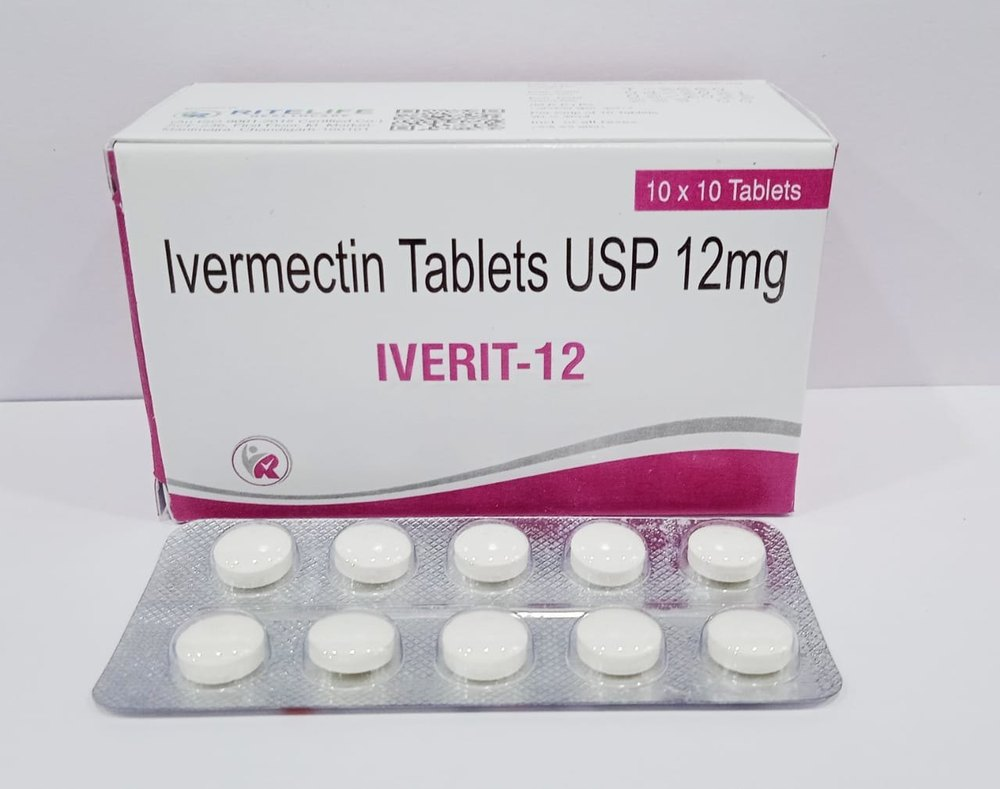
Ivermectin and Nature's 'Mectin is now available to the public


Ivermectin has now been approved for us to use for Covid treatment in the USA. Some sources for Ivermectin in table form for Human use are, your Primary Care Physician with a prescription, online at Ivermectin.com and JASE Medical Emergency Antibiotic Medication Kits .


At Jase Medical you can now order Ivermectin as an add-on when you order a year supply of antibiotics. When you order these medications from this company you are in contact with a legitimate physician who will consult with you and prescribe 5 different antibiotics for your kit. These are usually purchased as an emergency back up for traveling or for future emergency use.


Another source of Ivermectin that is an herbal mix that treats CV19 symptoms. You can order this at anytime from my friend Mickey B. on her website The Healer's Art (thehealersart.com) . This herbal version is called Nature's 'Mectin. You can take the herbal powder and fill empty gelatin capsules. She includes instructions and dosage information with your order.


Practical Christmas Gift Ideas

The following is a list of practical gifts ideas that will be great for your loved ones and those who are concerned about being more prepared for the times we live in. I hope you find some of these ideas to be helpful.


  • Water filters such as a Sawyer or Life Straw or water filtering bottles, ceramic filter or water purification tables, water barrel and barrel pump. Make sure the water barrel has NEVER had any chemicals in it and it should be blue or other color to prevent algae growth.

  • Items that can be part of a 72/96 hour emergency kit.

  • Food storage items that you bought or preserved yourself. Who doesn't like canned fruit or jam? Freeze-dried food has the longest shelf-life. If you have a freeze dryer you can make it yourself.

  • Give a power outage kit that you assembled or some kind of solar light, batteries etc.

  • Warm clothing is always nice. You could give someone new Winter gloves, wool socks, outerwear etc.

  • Does every adult in the family have a good, old-fashioned detailed paper map? You can give them a map for an area that this person would most likely be in during a long power outage or crisis. Everyone needs to know or be able to find alternate routes to get home.

  • Give a gift that uses one of your talents. Do you sew, bake, garden, do woodworking, knit, crochet, do leather work, make herbal tinctures or make soap etc.? Your gift could be something you made with a promise to give the recipient a lesson or two.

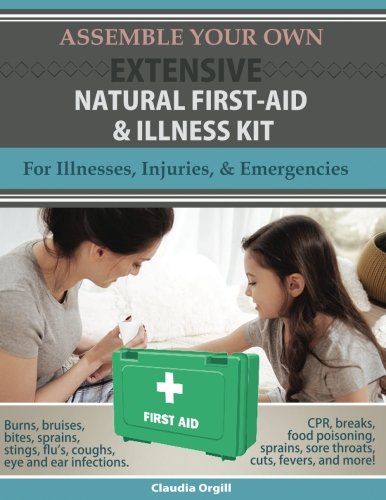
  • First Aid kits are useful. Everyone should have one in their home as well as in your camper, at work etc. I find the ones you assemble yourself have better things in them than the cheap ready-made ones. Maybe you can find some items that can be ADDED to their existing kit that they probably do not have.

  • Give books on gardening, homesteading, canning, herbal remedies, cast iron or camp cooking, foraging and other interests they may have. You can often find like new books at thrift stores.

  • If you make herbal tinctures and salves you can gift a couple of those with instructions for dosage and storage. You could share some plant starts with someone who wants to grow these plants and learn how to use them.

  • Give a roadside emergency kit for a new driver, college student or young married couple.

  • Maybe you know someone who is on assistance for food uses an EBT card. They cannot use that card for non-food items. They may appreciate toiletries and cleaning supplies. Those are not cheap! Make a useful but cute basket or bucket of the items and dress it up a little.

  • Some foodie ideas that I have done in the past that were well received were to type up a bunch of family recipes and print them out and put in sheet protectors and then put in a 3ring binder. I prefer the binders that have a clear cover pocket so I can create a nice “cover” and put that in the front. If you have any recipes that have been passed down from older generations, include those. I like the binder because we can add more pages as time goes on.

  • I have gifted small containers full of herbs and spices to someone who is moving out on their own. Spices can be expensive but add so much to each meal. I buy many of them by the pound. If the recipient will not use that much before they get too old, give them half in a smaller container and you keep half of each one. I like to give them all in the same kind of container so they look nice and uniform. You can even repurpose containers you would have recycled.

  • If you buy the spices in bulk you can save a lot of money. Some sources for affordable bulk spices that I am aware of are; Alison's Pantry in Pleasant Grove, UT. Costco, Sam's Club, Smith & Edwards (2 Utah locations), and Associated Foods Stores in Utah and Eastern Idaho.

  • The last few years I have tried really hard to support friends or family who have a small business. I have commissioned them to make something for me to gift to another. Of course I paid them. I have also supported local small businesses and friends who offer a good product or service that I could afford. Even if all you can afford right now is to SHARE THEIR INFORMATION, they will greatly appreciate it.


Tuesday, October 17, 2023


Emergency Preparedness and Provident Living Newsletter

October 2023


Classes and Trainings for West Jordan, UT

West Jordan Citizen Corps Class Thursday Oct. 26th 7pm Topic: The Utah Red Cross Disaster Program Manager wil present on how the Red Cross helps during a disaster, what we can expect in the way of aid etc.

West Jordan Fire station Headquarters at Jordan Landing Classroom is on the main floor. These classes are free and open to all adults in the community. The topic is different each month. They are not on Zoom at this time.


Fall Case Lot Sales for Utah, Idaho, SW Wyoming and Las Vegas

Smiths (Kroger) is having their Fall case lot sale right now. It runs through October 10th.


Want to learn about Permaculture Gardening and live in Utah?

Denise at Utah Valley Permaculture Classroom Gardens & Greenhouse is in Orem, UT. She gives tours of her urban food forest and teaches hands-on classes. Her YouTube channel is Utah Valley Permaculture. The following information is what she wants me to pass on to others.

The best place for education, science, weekly videos updates and Classroom Food Forest and events is Facebook: Utah Valley Permaculture Classroom Gardens & Greenhouse . They can watch 2020 tour of Food Forest there and other years by putting in Open House in search. But it's nothing like touring in person before first hard freeze and resting and learning in our workshops every week: this week Still going on rest of this week Wed through Friday. We got alot of valuable annual herb and crop plants into greenhouse, now Wed thru Fri 1pm to 5pm we will prep the Food Forest beds with our compost, Azomite mineral powder and mulch the soil for the plants to thrive all Winter at our daily workshops, Native Hardy, drought resistant Trees, berry and nut shrubs, herb plants for sale and harvesting. trade plants and seeds. . Sign up at 801 808 4424 UVPCGG www.permaculturedesignschool.org Utah Valley Permaculture Classroom Gardens & Greenhouse

Here is one of her videos to get an idea of what she teaches: This video is 6 years old, filmed 2 years after she started changing her yard. https://youtu.be/QRPWeezrw04?si=EFLfMl5Yw0zGFnWt


Ongoing shortages and supply chain information

Wheat, corn, vegetable oils, potatoes, rice, tomatoes, olives, pasta, salt, vinegar, and salad dressings. You may not notice the shortages in your location but you will notice price increases of these items. 


 India has banned the export of non-basmati rice. There are only two areas in the US where we grow rice and those areas both had lower than average yields because of bad weather. 2023 was a bad year for corn in the major corn producing states. A lot of the corn that is normally for humans is now being used for animal feed. There is a bad drought in Panama that is affecting the water level and there is a long wait time to get through.There are many, many ships waiting to go through and are currently running at least a month behind. Goods that are shipped from Asia to the Eastern US go through the Panama canal.


Some of my favorite YouTube channels to keep ahead of shortages, crop information etc

I was recently asked what my favorite YouTube channels are to be at least one step ahead of things that will and currently do affect our lifestyle. You may not like all of them and some personalities my not be to your liking. If you are interested, just check them out. It costs nothing to subscribe to these channels. If you like them, just click on the SUBSCRIBE button under their videos and then tap on the bell symbol and you will be notified when they upload new content.


Alaska Prepper – lessons from History, financial forcast information, crop reports, current events and many ideas of ways to prepare your family. Military Veteran

Southern Prepper1- Viewer reports of shortages, lay-offs etc. Commentary on current events, advice of ways to prepare. Military Veteran

The Poplar Report- Daily reports of what his listeners tell him. Shares current news that Main Stream Media does not talk about. Reports on crop,supply chain issues and lay-offs.

Appalachian Homestead with Patara-Homesteader, homeschool mom. She has many years of videos on cooking, farming, gardening, cooking and food preservation. She also talks common sense about current events and gives advice on many ways to be more self-reliant and how to handle current events that affect our daily lives.

Off Grid with Doug and Stacy- Hundreds of videos on homesteading, raising animals, gardening, healthy cooking, food preservation, herbal remedies, commentary on current events and what to do to take care of your family in all the craziness.

Glenn Beck or TheBlaze- Commentary on current affairs, the economy and History lessons that we should know and what we can learn from History. How we can be better citizens.

Deep South Homestead with Danny & Wanda- Based in Southern Mississippi, they grow most of their food and teach us how to garden and preserve food. He is a preacher and often talks about the scriptures and how they can be incorporated into our daily life.

An American Homestead- Based in the Midwest he talks about current events, how to be more self-reliant and teaches people how to get your family less attached to the urban life-style.

The Prepared Homestead- He is also in the Midwest and encourages people to pay attention to things going on in our government and encourages us to get “Right with the Lord” and to get our homes in order.

Survival Lilly-Based in Austria, Lilly reports on what is happening in Austria and Germany and how current laws and regulations are affecting everyone. She regularly shows you German Language articles.

Miss Yorkshire Prepper- She is a small channel that is fairly new. She talks about what shopping is like in England and gives her commentary as an average English Citizen.

Frugal Queen in France- A retired British couple who live in Brittany France. She talks about the French economy and how current laws affect those in France. She gives lots of advice on how to live on a tight budget and how to shop wisely and how to cook meals on a budget.

Canadian Prepper- He is based in Central Canada. He does have a business that sells preparedness food and other items. He talks about current events in Canada and how things are affecting Canadians.

Ice Age Farmer You can find his older videos and information on YouTube and his website by the 

same name. He has not uploaded new content for a while. I don't know what happened to him.


How to make Fire Cider for an immune system booster

Fire Cider is an all natural semi-liquid mix of apple cider vinegar, spicy vegetables and herbs that is mixed well and you take at least 1 tablespoon a day for an immune booster. There are many different. recipes that can be found on-line and in some books. Rosemary Gladstar has authored a book of many different variations of Fire Cider recipes. There is no wrong way to make it. Use the ingredients you can find and that you like. If it calls for something that you can't stand, just leave that ingredient out. Exchange that ingredient for another one. You can add lemon or lime juice too. It is fast and easy to make in a blender and it will store for at least a year in the refrigerator. After a month, some people strain the veggie bits out and only drink the liquid. Some leave it as is and consume the veggie bits and the liquid. Here is a recipe from the person who taught me about it. It is a good place to start.


How to make Apple Cider Vinegar from apple scraps

You can make raw apple cider vinegar at home. It will save you a lot of money, it is easy and good for you. And you can use up a lot of your scraps from processing apples in the Fall.

The only ingredients you need at apple scraps, including the core and peel. I would remove any insect damage. Filtered water, a little sugar and a little bit of apple cider vinegar with the Mother.

A lot of people make vinegar in quart or half-gallon canning jars. You can also make it in clean food grade 5 gallon buckets. It is a slow natural process and it takes anywhere from 2-4 months from start to finish but it costs almost nothing to make.

 I have my own apple tree and last year I made over $100 worth of raw ACV with the Mother for the cost of a little bit of sugar.


This video explains some benefits of using raw ACV daily. https://youtu.be/DFJBD9s6jq4?si=-x4_rX_dlNQ0Zikz Apple Cider Vinegar and 5 ways to use it at home


https://youtu.be/FhmexAZqZCo?si=puhwKMR4hzaZopEf How to make Apple Cider Vinegar at home the easy way by Off Grid with Doug and Stacy


https://youtu.be/4CoOzWvEOCc?si=HPR9Vpl5aq3VELzc Homemade Apple Cider Vinegar pt 1 by my sister Penny Tannehill


https://youtu.be/ffD4f9twbAk?si=uh11JozgKmUnHaGe Week 1-Checking homemade vinegars

She also posted videos showing the end process and how to strain and bottle the vinegar.


Make your own salad dressings., without preservatives

You can make your own salad dressings that are cheaper and healthier than those found in the store. All you need are a few basic ingredients. The main ingredients are usually vinegar, olive oil and spices. If you store these basics, you can make salad dressings whenever you need them. I recommend the two books pictured above. You can also find many recipes online. I would make a small batch and try it out. Save and organize the recipies that you like.

Another way to save money is to buy the packets of the dry seasonings that you add to vinegar, water and the oil of your choosing.


Russian Dressing (similar to Catalina but tastes better)

1 C. ketchup

1/3 C. each of vinegar, oil, sugar

1 T. yellow mustard

1 t. paprika

1 T. parsley leaves


Ranch Dressing from book Best Dressed Salads by Jim Long 93 pgs

¾ C. Mayonnaise

¼ C. buttermilk

1/3 C. finely chopped celery with the leaves

2 T chopped fresh parsley or 1 T. dry parsley

1 T. grated onion or 2 t. dry onion powder

1 clove garlic, minced or ¼ t. garlic powder

1 sprig fresh thyme or ¼ t. dried thyme

½ t. celery salt

dash black pepper


Tuesday, March 22, 2016

April 2016 Newsletter

April Gardening Chores Zone 6:  If you have not yet planted your peas, plant them right away.  You can also plant other cool season vegetables such as lettuce, kale, radishes, carrots, beets, broccoli and cabbage.  Do not plant warm season vegetables outdoors yet unless you have a greenhouse or can keep them covered every day.  Most of these will need to be transplanted or started by seeds around Mother’s Day.


Product Highlight of the Month:  Victorio Grain Mill  (non-electric)


If you plan on storing any grains, YOU NEED TO HAVE one of these!  This is small, very affordable and will be much better than smashing your grains between some rocks to make flour so you can have bread and other baked goods in an emergency.  Keep in mind that grains stored in their whole, unground form, will keep a lot longer than those that are already ground.
This grain mill can be used for wheat, barley, spelt, popcorn (for making corn meal), and even for making rice flour from your stored rice.  It clamps to your counter top or a table and does not need any power.  This retails for around $50-60.  If you just want to “save it for an emergency” it stores in a small box.  If you have an expensive electric grain mill, I would still get one of these to have for situations where you may be without power for long periods of time.


For those who still do not have a grain mill:  7 Great Ways to Use Wheat Without a Wheat Grinder.  This is the simplified version of a post by the ladies at Food Storage Made Easy.  They have this article posted on their website and on their Facebook Page.  You can do a search on those pages using the above title.   www.foodstoragemadeeasy.net
#1.  Thermos Wheat (like a hot cereal that has been cooking overnight in a thermos).
#2  Wheat Berries
#3  Popped Wheat
#4  Wheat grass
#5  Cracked wheat
#6  Wheat Sprouts
#7  Blender wheat flour (placing whole wheat kernels in a blender with other recipe ingredients and mixing in the blender.)


Small Space Storage Solutions
Even if you live in an apartment or a small house, you can find creative ways to store your food storage and other emergency supplies.  I will post some information here to help you get started searching for ideas.

www.thesurvivalmom.com   search her website for posts on this topic on her homepage.  Also if you use Facebook go to her Facebook page called The Survival Mom and search for “small space storage solutions” in the upper left corner of the page.  She posted ideas about this multiple times in 2015.

This post above is really long.  They have lots of great ideas and you can also see comments from people who have tried these ideas or have even more ideas.  Remember the saying, “If there is a WILL…there is a WAY.” 


Monday, February 29, 2016

March 2016 Newsletter

March Garden Projects:  Amend your garden soil with manure.  If you live in the city you can buy it in bags from hardware stores for very cheap.  Empty composters into the garden as well. Mix well before planting.  Plant peas about St. Patrick’s Day in zone 6.  By the end of the month you can usually plant hardy cold weather vegetables such as broccoli and kohlrabi.  If you use row covers to protect from frost, you can start to plant lettuce and radishes.


 Sprouting Seeds: 
Sprouting various seeds is a fast and easy source of nutrition.  Sprouts pack a lot of nutrition in a very tiny package and you can eat them in just a few days.  Sprouts can be used as a replacement for vegetable if you have none.  All you need for basic supplies are seeds, a container with a lid for some ventilation and a source of clean water to rinse them off a couple times a day.
There are several different options for containers for sprouting.  The old fashioned way is just a quart jar and a cover of cheese cloth. Now you can buy a plastic “sprouting jar lid”.  You lay the jar on its side in a sunny spot.   There are also sprouting trays that are square or round. If you have multiple trays you can grow different varieties of sprouts at the same time.

Seeds that are commonly sprouted;  alfalfa, mung beans, other beans, peas, lentils, and wheat.

Use sprouts fresh on a sandwich, use in salads, as a soup topping, add to vegetables in a stir-fry dish, and use in an omelette.  

To buy bulk sprouting seeds check out Azure Standard Supply in Oregon, USA.  www.azurestandard.com  They can ship about anywhere inside the continental United States.  To see how you can make your own bulk seed sprouting mix, check out www.youtube.com and search for a video by Healthy Preparedness.  She has posted a video titled "Sprouting Mix-Save Money!"   


You can grow a few sprouts at a time in just a Mason jar covered with cheese cloth or use a plastic sprouting lid.

Shown:  The Victorio Brand Seed Sprouting "Kitchen Garden" kit.

A round seed sprouting container with 4 tiers.  You could grow 4 different kinds of sprouts at one time in this one. 

A sample of just one sprouting book for beginners.


A seed sprouting chart from www.rawforbeauty.com

Tuesday, January 26, 2016

February 2016 Newsletter

Emergency Preparedness and Provident Living Newsletter
February 2016


Do you use the FIFO system for Food storage?
FIFO is short for First in, First out.  This means that the foods you bought first, are the first ones you are using.  Use the oldest foods first.  This is the best way to ensure that nothing gets too old and will be wasted.
Even if you do not have a fancy food rotation shelving system you can do this.  Always put the purchase date on your foods and pull your older items forward.  Put the newest items in the back or on the bottom.  This is what they do in the grocery store.  There are many free ideas and plans on the internet, just search for DIY rotating can rack ideas.


How long will food last in cans such as vegetables and soups? 
Lately as I have been buying new canned goods I have been checking the “USE BY DATE” stamped on the cans.  It looks like they are suggesting that you eat the canned goods within 2 years of production.  No matter how quickly you eat things, it is always best to store your foods in the coolest, darkest and driest place possible to prolong the shelf-life. I had some store-bought green beans that were 3 years past the expiration date and were gross.  We could not eat them and we threw them away.    Home canned/bottled fruits and vegetables in glass canning jars can last a lot longer and will still taste good. Over time they will lose some of their vitamins and nutrition but will still be good to eat.  Light colored fruits though will turn dark and not look as appetizing. You may decide to store the light colored foods in the original cardboard canning boxes.  Tape a label on the outside of the box and put a date on it.
You can eat foods in cans that have dents.  Yes, you can. But, keep in mind that you really should use those soon as the dent will eventually cause deterioration in the metal and the food can spoil sooner.  Just get a marker and write “Use me up soon” on the lid and put it in front.
Use what you have and replace it as you use it.  First in, first out!


Growing and processing your own foods for true independence.  No man who relies on others for his food is truly independent.   Now is the time to learn how to grow a garden, even a small one.  This is the time of year to start buying your seeds and gardening supplies.  Dedicate a spiral notebook to be your gardening journal and start to sketch your garden plans in it.  Gardening rarely turns out as good as we hope. There is a big learning curve.  Now is the time to practice your gardening skills so you can become more independent.

 Preserving documents: 
Before you ever need to evacuate your home or if it is destroyed by a fire, flood or tornado…you should have a plan for your vital documents.
There are several options for making copies of your vital documents.  Whichever method you choose is up to you but you should have the copies stored in a different location.  The BEST thing to have would be the ORIGINALS or course, but if something happened to those, at least you could have copies and your photo ID to get you back on the road to recovering from a disaster.


Documents you would want to have preserved:
1)      Birth or adoption certificates for every person in your home.
2)      Passports or Visas
3)      Social Security cards
4)      Insurance forms for life, car, home, medical etc (include photos of the items and rooms)
5)      Pet and human vaccine records
6)      Marriage certificates
7)      Advance Directives if you have any
8)      Church records
9)      A Fairly recent photo of each person in the family.
10)  Anything else that you really should save.                           

Options for having extra copies.
1)       Take a large 3 ring binder and make copies and place in sheet protectors and keep that in a different location.  Or, keep the originals in the binder and have that in a place where you can grab it quickly as you evacuate your home.  Label it in a way that if your home was broken into, a thief would not know what it is.  You might choose to do BOTH of these methods.
2)       Scan all important documents and save the digital copies onto a thumb drive or disk.  Keep the thumb drive or disk at a bank in a safe deposit box or at your work in a safe or a trusted relative’s home.  Some people also choose to keep these in their 72 hr kit or bug-out bag.
3)      No matter which method you choose above, it is a great idea to keep your vital documents in a water-proof and fire-proof safe in your home.  Bolt the safe to the floor and keep well hidden.  For more ideas on this subject just use your favorite internet search engine or check out www.thesurvivalmom.com and   http://foodstoragemadeeasy.net  
4)      Keep in mind that there are some ready-made binders for this purpose for sale on line.  They are expensive, but you can make your own for pretty cheap.  It does not need to be fancy.  I made our binder using a 2 inch 3-ring binder, sheet protectors and some dividers with tabs.


Monday, December 28, 2015

January 2016 Newsletter

2016 Goals for Preparedness:  Suggested ideas if you need some.
1.      Evaluate what your family’s needs are.  What are the areas that your family needs to work on?  Concentrate on those areas first.
2.      Do you have EMPTY water containers?  If they are empty, you cannot count that as water storage!  Fill-up your containers ASAP.
3.      Do you have wheat but you don’t have a wheat grinder?  Buy a wheat grinder.  Start with one that is small, affordable and non-electric. Victorio Brand is a nice little starter one that retails for around $60.
4.      Did you get some preparedness gifts or items this past year?  Practice using them so you are familiar with the tools you have.
5.      Continually add to your stock of your most commonly used items.  Buy things when they are on sale. Put your favorite grocery store ads app on your phone or read the ads that come in the mail each week.
6.      Do you get these newsletter every month?  Do you read them right away and put things on your calendar?
7.      Make a goal of using the Stake dry pack canner at least once this year. Or go to the Sandy Home storage center and buy dry goods there.  It is really easy.
8.      Make it a goal to go to the case lot sales this year and stock up on your most commonly used foods.  Many times, the case lot sales have the lowest prices on canned goods all year.
9.      Are you lacking sanitation supplies?  Start gathering supplies and make a sanitation kit or two.  You can keep your supplies in plastic tubs or 5 gallon buckets.
10.  Do you have a garden plot but have not planted a garden in several years?  Plant a garden this year.  Gardening rarely goes as planned and there is always something to learn.  If you had to, could you live on only what you grow?
11.  Do you need a refresher course on First Aid or CERT?  Sign-up for a class near you and take the class this year.
12.  Sign-up and attend at least one of the free classes that your church or community will offer on preparedness topics.  You cannot borrow someone else’s knowledge.
13.  Do you have some old foods stored away but you don’t use it?  Start using it and as you use it, buy some fresher foods to store.  You MUST rotate your food storage.
14.  Do you have a FACEBOOK account?  Great!  Find pages on Food Storage and Preparedness and “like” a page or two. Other pages will be suggested for you to check out.  There is a lot of information on Facebook.
15.  If you use Facebook, please join our large preparedness group, or one in your area.  You can even start a group of your own with family and friends.  It only takes a minute and you can invite whomever you want.  If you live in West Jordan you may join one of these groups.  COPPER CANYON NEIGHBORHOOD PREPAREDNESS GROUP or WEST JORDAN EMERGENCY PREPAREDNESS GROUP.
16.  So you ARE part of a preparedness group?  Do you check what group members are posting?  You can adjust your notifications settings and check as often as you like.  You may choose to only look at it once a week.  Set a goal to participate in more group buys this year.
17.  You have decided YOU WILL NOT GET A FACEBOOK ACCOUNT.  That is fine, many people chose not to.  There are many websites, stores and blogs devoted to preparedness and food storage.  Check them out and add some to your favorites list.


      This is funny, but is does not count as water storage!    You can fill containers from the sink or buy it anywhere, until there is an emergency.

Highlight of the month:   27 LED  work light,  also known as 24 +3 work light
This small light has 24 bright LED lights on the front and 3 LED lights on one end.  Most of these have 2 work settings.  Some brands have a strobe setting also.  (I have seen the same lights under different brand names online). On the back it has a magnet and a hook for hanging.  It comes with 3 AAA batteries.  These retail for about $4 each.  I have found them at Harbor Freight stores as well as on-line.
I like that it is small, bright, very useful and very affordable.  We now have one in each car and in each 72 hr kit as well.  We also have at least one in a handy location for when the power goes out.